Hardware gear! In the software era has it sense to crave it? And what is hardware gear? Let’s find out the answer together in this article.
For hardware gear we can define whatever type of instrument and effect exists in the real world: a guitar is hardware, a bongo is hardware, a synth, and of course a compressor. For this article, we want to focus on studio gear, synth, and effects. Keep in mind that this is not a debate between analog vs digital, it’s simply a collection of tips to spend the less possible amount of money and get the very best gear that we want.
Busting the myth
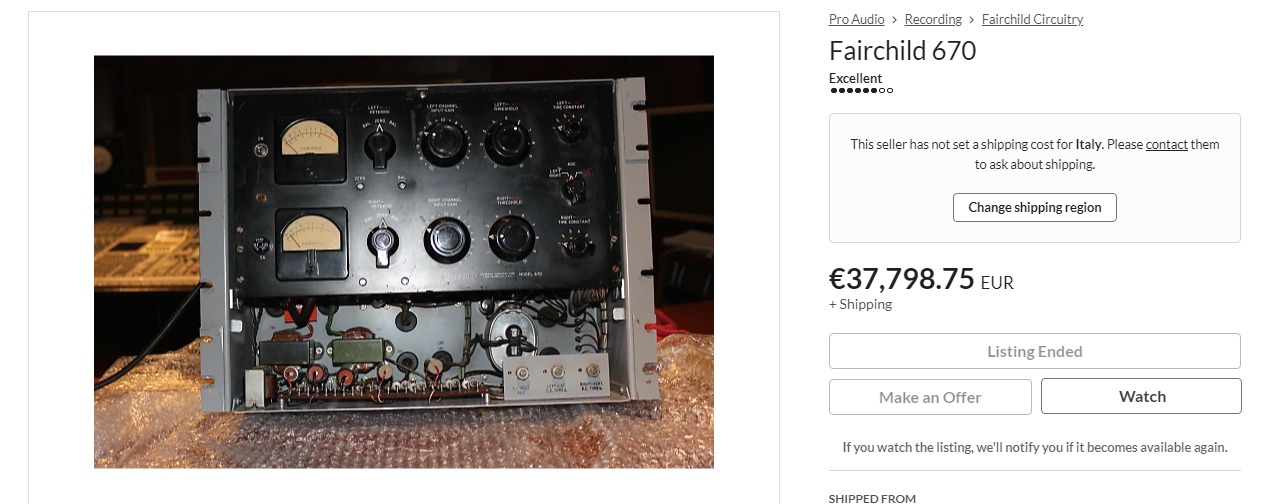
But is it true that these machines cost you a kidney? Sometimes yes, sometimes no. Of course, if you want to embark on research for the real Fairchild 670, maybe yes.
Just like vintage clothes or anything used, second-hand is the primary way of saving bucks. Used gear is not only sold by high-end studios but also (most of the time) from people. Some people may know what they have in their hands and some people won’t. This is one of the luckiest situations you can encounter across the internet. The other one is when you find a piece of gear that is made to fill a specific need but you want to use it alternatively: for example a fuzz pedal for vocals or a Tascam Portastudio to saturate everything. Whatever is your reason for getting interested in hardware, you’re in good company.
Hardware WAS cheap (at least during the 80s and 90s)
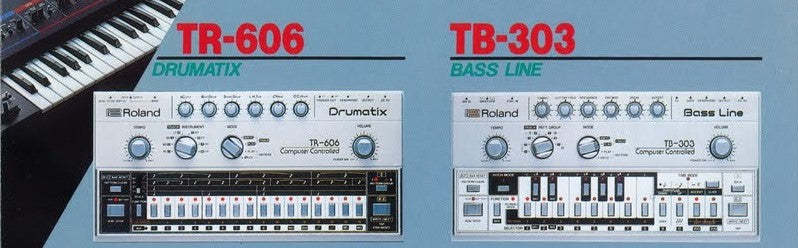
Prices fluctuate based on the period of time and by the demand of the market. Some of the machines that we venerate today were in fact adopted because they were incredibly cheap machines: in the 90s you could buy an SH101 by Roland for £100 or a TB 303 was at a local pawn shop.
The same goes for some compressors like the infamous Alesis 3630 used by Daft Punk in their early works. In the 90s the digital mania made full analog synths obsolete making an ARP Odyssey price drop at £200 (now listed at 2k). All these facts lead us to one consideration: prices are not stable. If you find an interesting and less mainstream piece of vintage gear in some years its value can increase: not only you can use it as a creative or technical weapon, but unless it is a very mainstream solution, its price can go up in the future.
Some things to take into account before buying

If you are an experienced producer/engineer skip this paragraph, otherwise if these are your first experiments with the hardware you should be aware that you’re going to need inputs and outputs from your audio interface. Especially if you plan to treat stereo signals with some kind of stereo processor. This leads us to another conclusion: know which type of connections you have available in your interface and if the device you want to buy is stereo (2 inputs and outputs required). Also, get yourself ready to buy some cables in case you don’t have it.
The research: where to look for
The question is: are you looking for something in particular or you’re just curious? In case you are looking for a specific device the work is a bit easier. You just have to search for the name in different places and monitor the situation. Instead, if you’re just interested in some category the search can be a bit more fun. As stated in the initial paragraph: the more the seller is specialized in audio gear, the more the price will go up, in my personal experience. The trick is to search for equipment (unless you are looking for 2k+ pro audio gear) on a consumer used e-commerce website.
Every country has its own vintage/used online market. Start from these by searching for example “audio compressor” or “tape machine” or “synthesizer” or “effect pedal” and so on. Give yourself the chance to explore the results and monitor them every once in a while the situation. Especially after the pandemic some private users and studios need to cash in so it’s a win-win for both the seller and you. eBay is another great source for research. You can go international and have some independent power sellers (people who have a virtual thrift shop with lots of trusted reviews) with the ability to use PayPal. Reverb.com is another famous and trusted website: the problem with it it’s that it is difficult to find a super convenient deal, since the store is super-specialized in synth, hardware, and music gear in general, however, the level of trust is pretty high.
In case you live in a big city…
…It could be worth it to physically visit a local thrift shop. You never know what you can find. The same goes for music instruments stores: most of the time they will have some used stuff. You will be amazed by how much stuff you can find locally if you know where to search in your city.
The Cons of buying from remote
You never know what you get. Will the vendor be trustworthy? Or is it a scam? To answer this question I suggest that every every time you order something to receive a video with the person actually talking and letting you hear his/her voice while testing the equipment. It’s enough a video from a smartphone, but you will be sure that the thing works and that the seller is serious. If he’s too lazy or he’s resistant then don’t buy it.
Another risk is the shipment. Always pay a bit more for a more trusty shipment with some kind of insurance. Always prefer PayPal as a method of payment with private vendors: you can later dispute the transaction and the seller will have to demonstrate that he’s not a scammer.
Final Conclusions
Whether you want to try some tape or get a piece of bad gear or try to find a Distressor for less than 1k, be smart, don’t get obsessed but still leave some space for curiosity and you’ll never know what you’ll find along the way. And get to know someone who has the hobby of restoring items, sometimes with little work you can restore old gear payed a fraction of the original price.